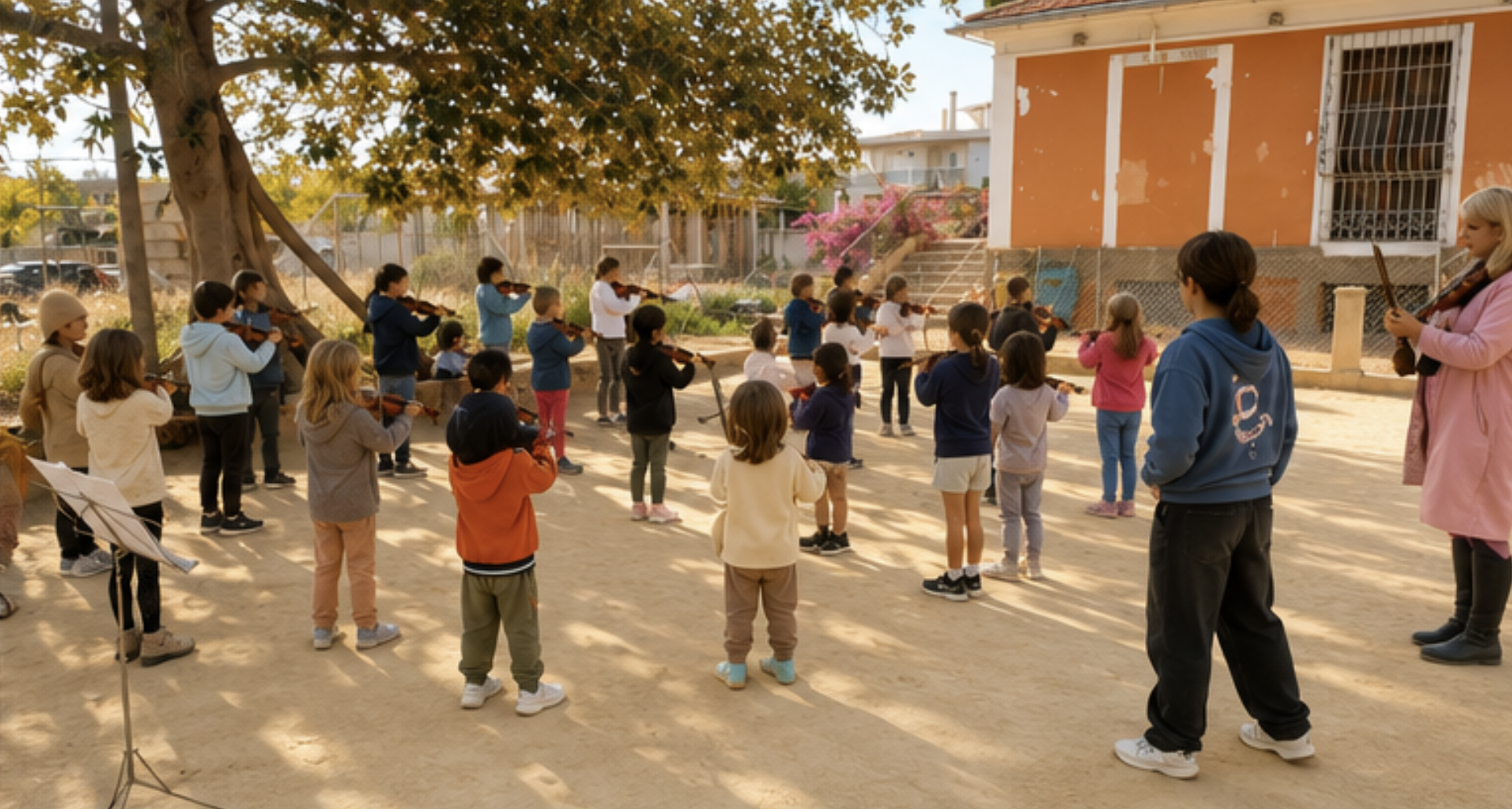
From infancy through adolescence, each environment is carefully designed to meet the developmental needs of the child.
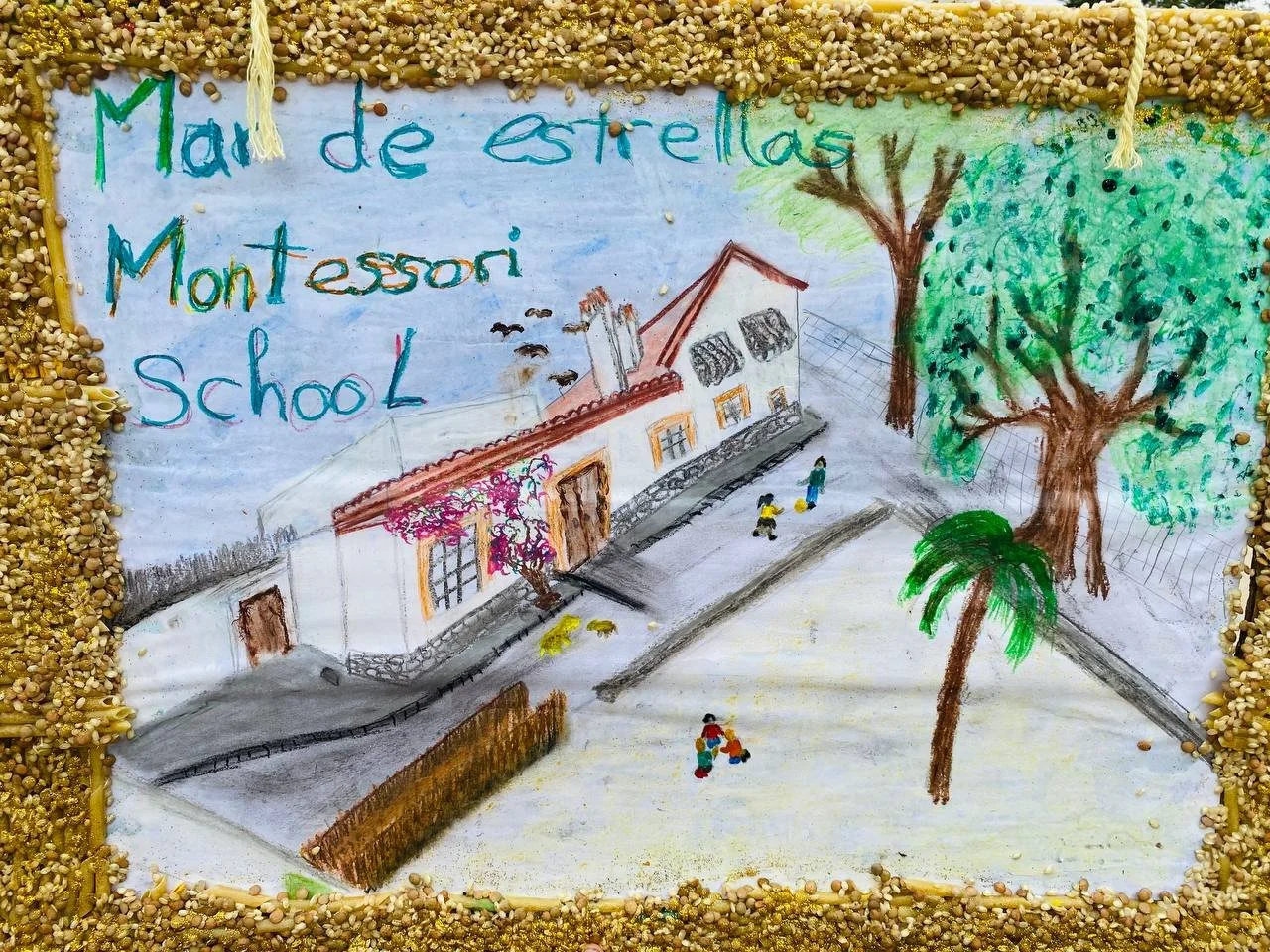
Infant Community (1–3 years)
The Beginning of Independence
The first years of life are a time of extraordinary growth. During this stage, children are building the foundations of movement, language, emotional security and self-confidence.
Our Infant Community provides a warm, nurturing environment where children are encouraged to explore freely, develop practical life skills and gain confidence in their own abilities.
Through purposeful activities, movement, sensory exploration and meaningful relationships, children begin the journey towards independence while feeling safe, supported and valued.
Key areas of development
Language and communication
Movement and coordination
Practical life skills
Emotional security
Independence and self-confidence
Social awareness
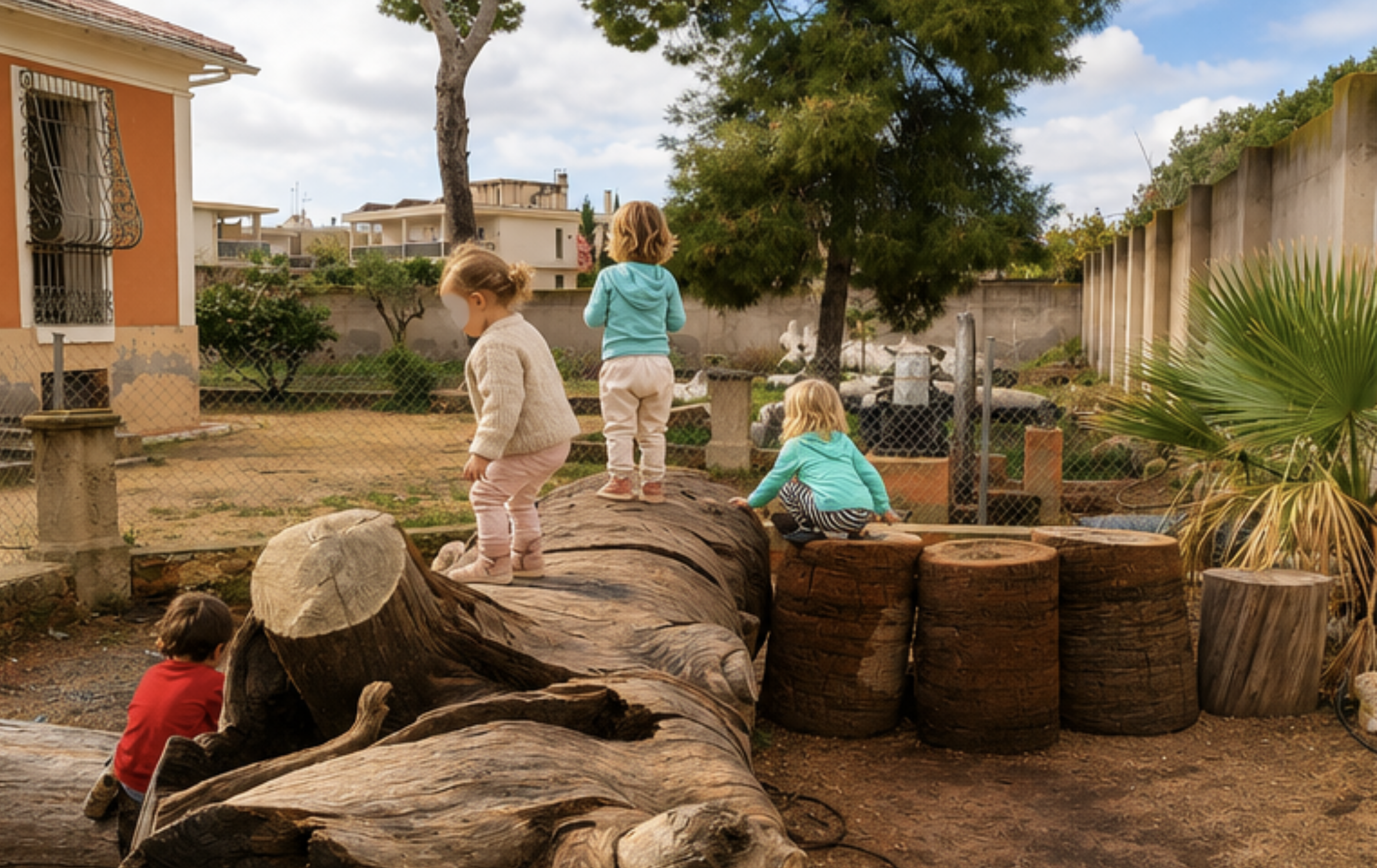
Children's House (3–6 years)
Building the Foundations for Life
The Children's House is where the Montessori journey truly flourishes.
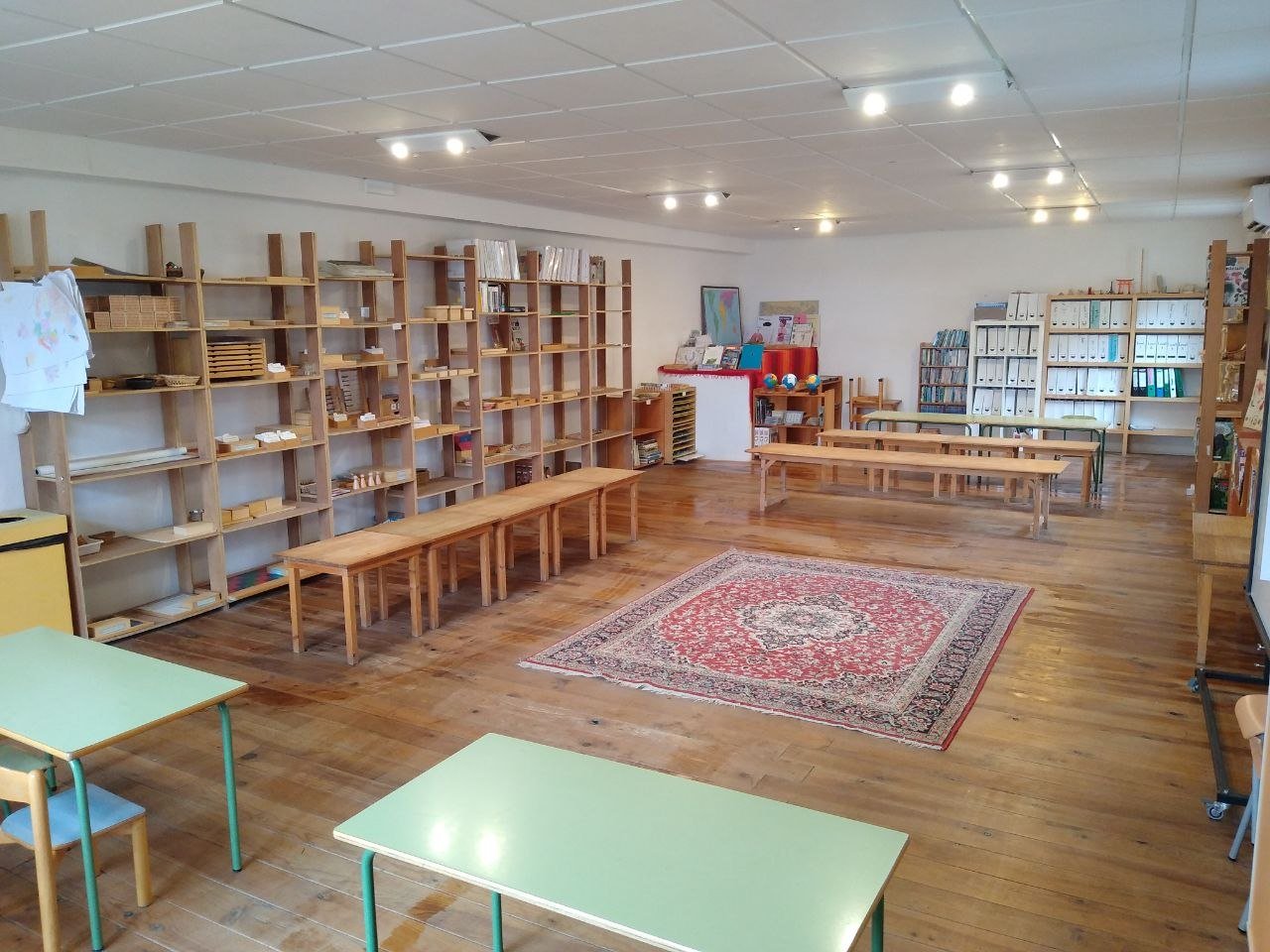
In a carefully prepared environment filled with beautiful hands-on materials, children develop concentration, self-discipline and a deep sense of responsibility for their own learning.
Rather than being taught as a group, each child follows an individual learning path guided by their interests and readiness. Children work independently and collaboratively, developing academic foundations while nurturing creativity, confidence and respect for others.
This is the stage where children often surprise adults with what they are capable of achieving when given the freedom and support to learn at their own pace.
Areas of learning
Practical Life
Sensorial Development
Language and Literacy
Mathematics
Cultural Studies
Art and Creativity
Grace and Courtesy
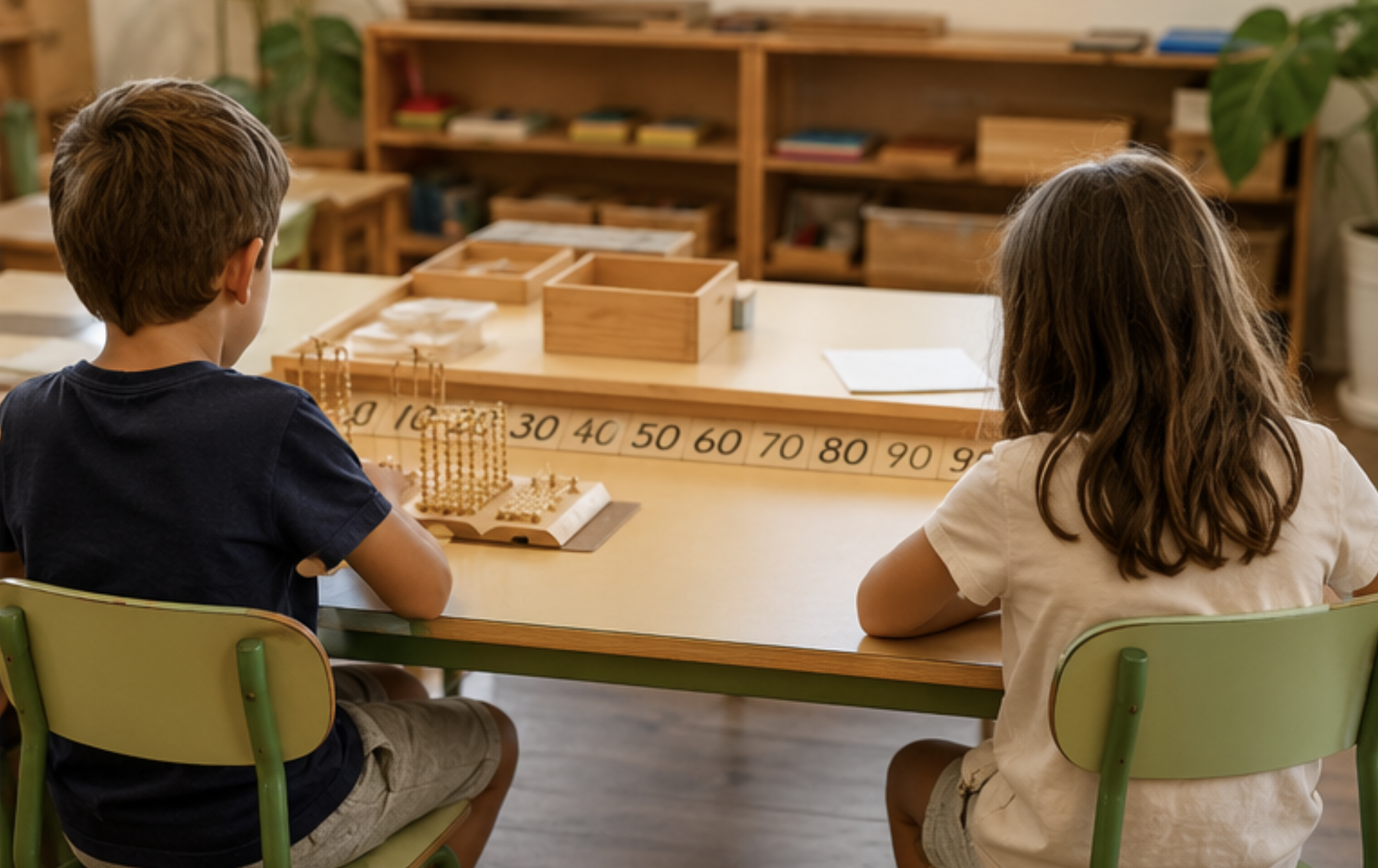
Primary (6-12 years)
Exploring the Wider World
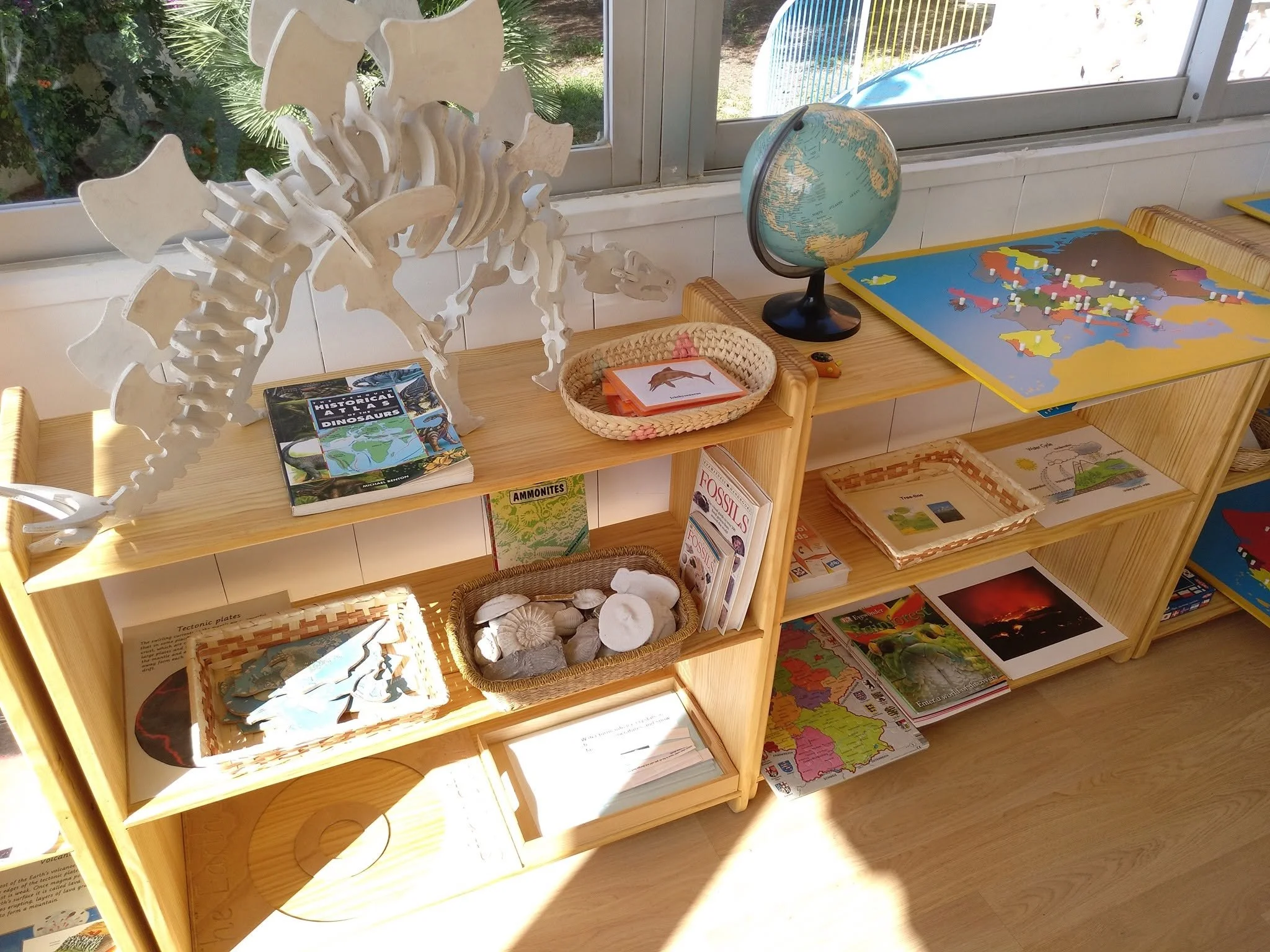
As children enter Primary, their curiosity expands beyond themselves and towards understanding the world around them.
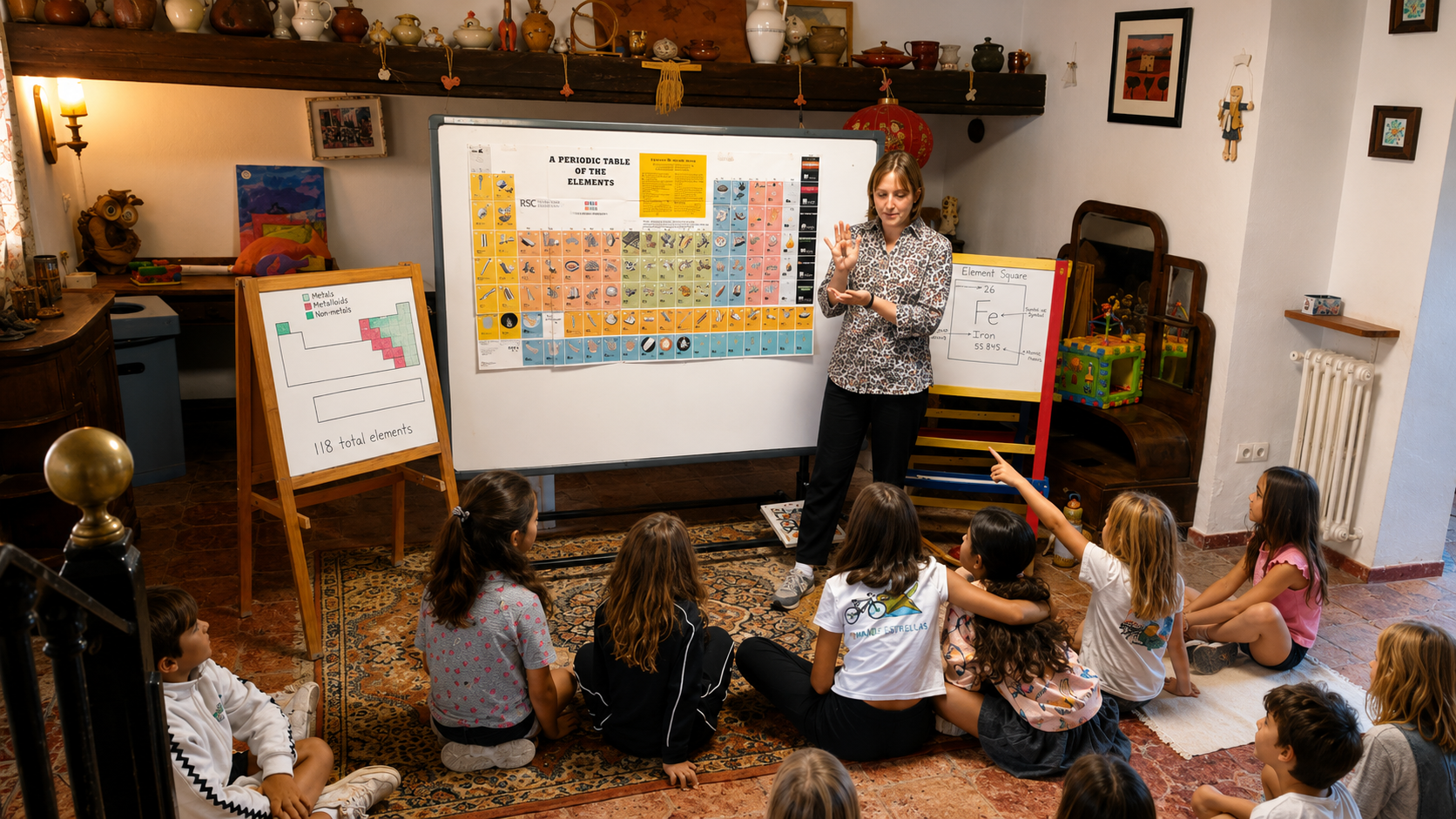
Through interdisciplinary projects, research, discussion and hands-on exploration, students investigate big questions about history, science, geography, mathematics, language and culture.
The Montessori Primary programme encourages children to think independently, ask meaningful questions and develop a strong sense of responsibility for their learning and their community.
Mixed-age classrooms foster collaboration, leadership and mutual respect, while children gradually become more autonomous learners.
Children develop
Critical thinking
Research skills
Creativity and innovation
Collaboration and leadership
Academic confidence
Global awareness
Secondary (12-15 years)
Learning Through Real Life
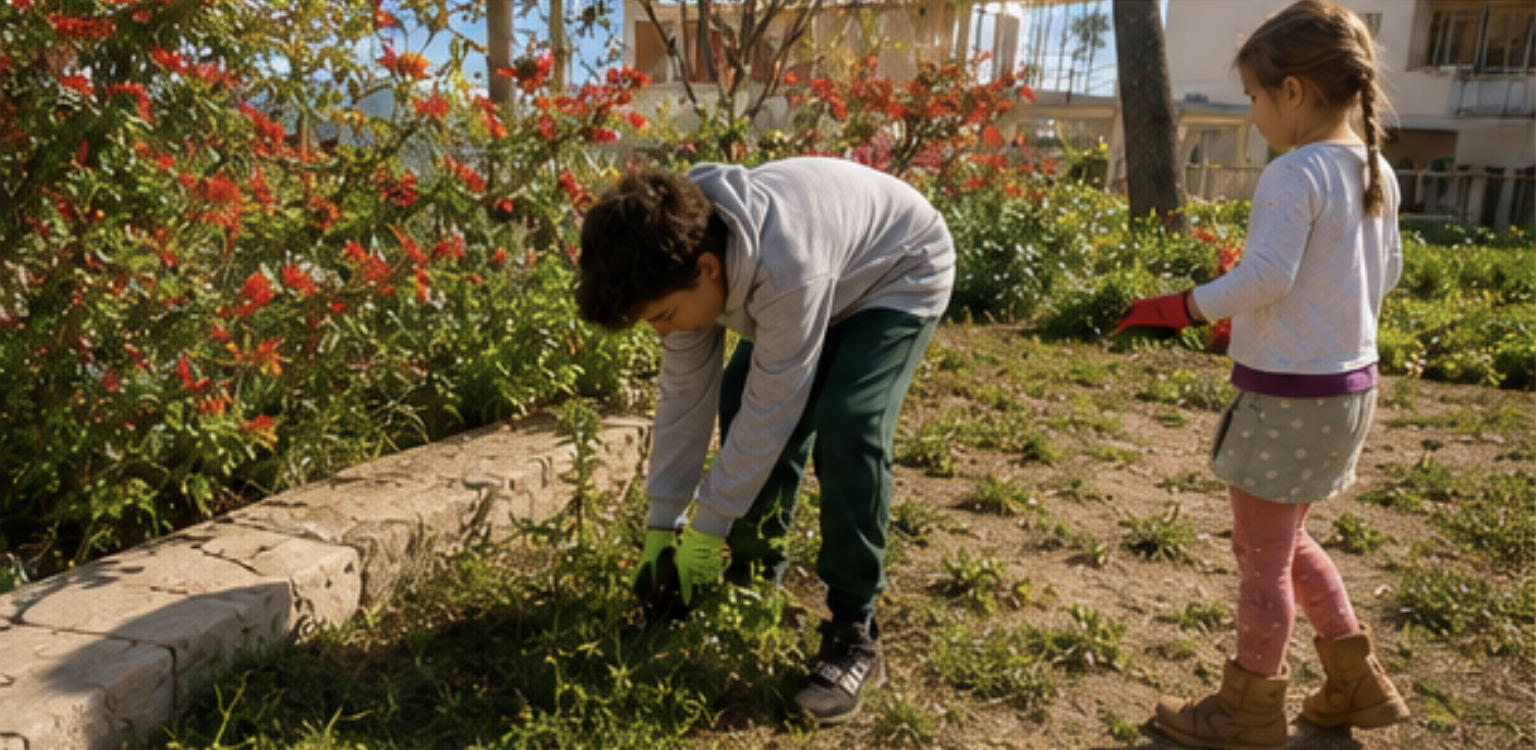
Adolescence is a time when young people are ready to move beyond the classroom and engage more deeply with the world around them.
Our Secondary programme is built around meaningful experiences, real responsibilities and practical challenges that help students develop the confidence and skills they will need throughout their lives.
Students learn by doing. They work on projects, collaborate with others, solve real problems, manage responsibilities and contribute to their community. Along the way, they develop independence, resilience and a strong sense of purpose.
Rather than focusing solely on academic achievement, we place equal importance on the human skills that will serve young people in every future path they choose.
Students develop:
Communication and public speaking
Negotiation and conflict resolution
Leadership and teamwork
Time management and organisation
Critical thinking and problem solving
Financial literacy and entrepreneurship
Practical life skills
Confidence and self-awareness
Responsibility and initiative
Collaboration and community engagement